
Biography
- Home
- Biography
Birth, family, and tribal heritage
Roots that shaped a fearless tribal leader and his enduring identity
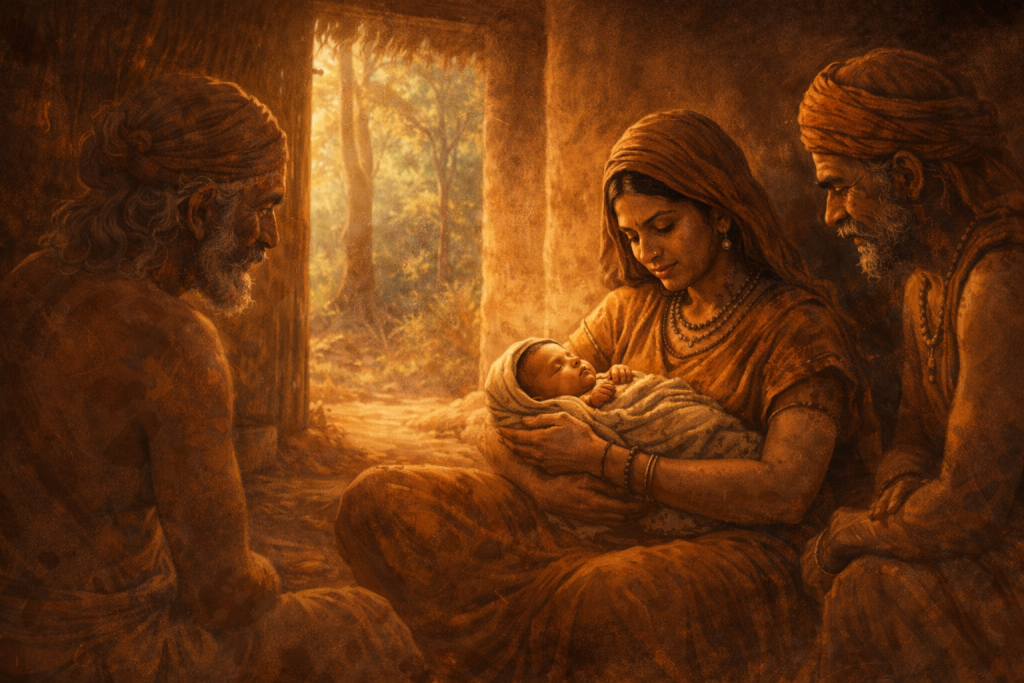
Tantia Bhil was born around 1840 in the forested regions of Central India, in present-day Madhya Pradesh, into the Bhil tribal community, one of the oldest indigenous groups of India. His early life was deeply rooted in tribal traditions, forest-based living, and a strong sense of community and self-reliance.He was raised in a close-knit tribal family where values such as courage, honesty, respect for nature.
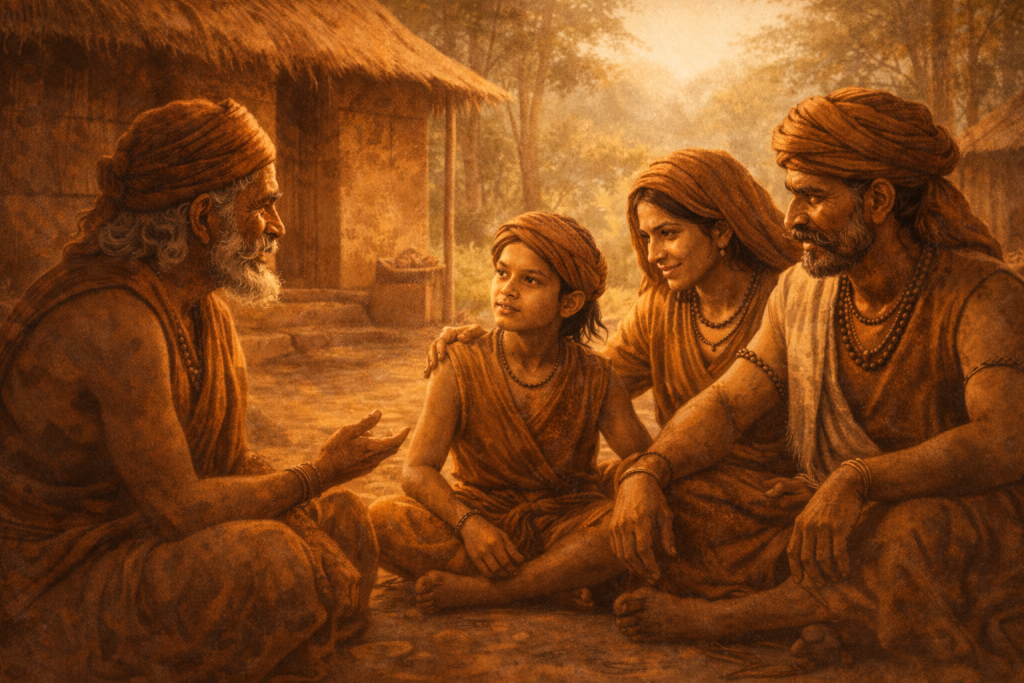
Tantia Bhil was born into a humble Bhil tribal family, deeply rooted in indigenous traditions, collective living, and respect for nature. His family lived a simple forest-based life, relying on hunting, farming, and shared community resources for survival. The elders in his family played a vital role in shaping his character. Tantia Bhil bravery, honesty, unity, and responsibility toward the community
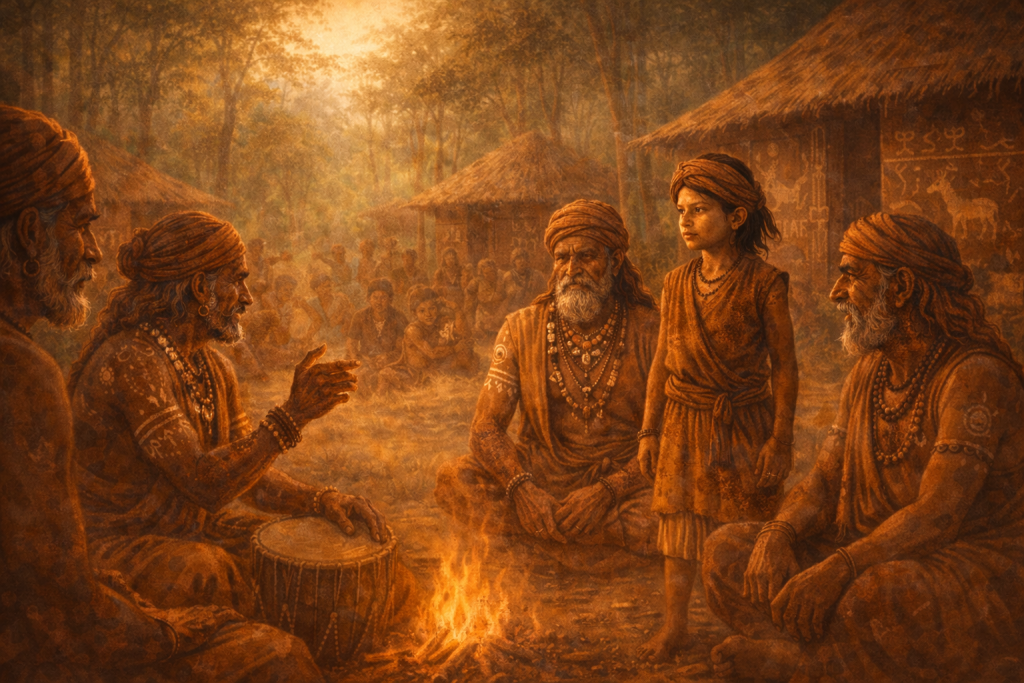
Tantia Bhil belonged to the Bhil tribal community, one of India’s oldest and most resilient indigenous groups. The Bhils lived in deep harmony with forests, hills, and rivers, following traditions passed down through generations. Their culture emphasized courage, self-reliance, respect for nature, and strong community bonds. Growing up within this rich tribal heritage.
Bhil community cultural background
Traditions, values, and way of life that defined the Bhil community
The Bhil community is one of the oldest and largest indigenous tribal groups in India, primarily inhabiting the forested and hilly regions of Central and Western India, including present-day Madhya Pradesh, Rajasthan, Gujarat, and Maharashtra. Their culture is deeply connected to nature, with forests, rivers, and hills forming the center of their spiritual and daily life.
Art, music, and rituals play an important role in Bhil culture. Wall paintings, body art, drums, and ceremonial gatherings are common expressions of their heritage. Decision-making was often collective, guided by elders who upheld justice, tradition, and social harmony.
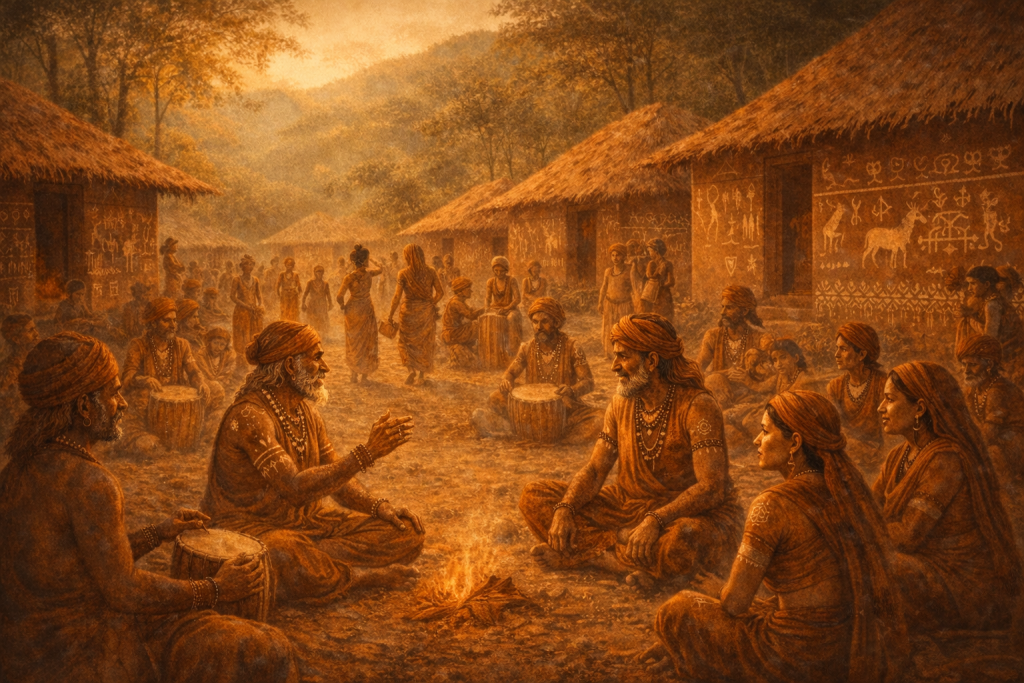
Bhil society is built on strong values of community unity, equality, bravery, and self-reliance. Traditional occupations included hunting, farming, archery, and forest-based livelihoods. Knowledge was passed orally through folklore, songs, dances, and storytelling, preserving history and cultural identity across generations.
This rich cultural background shaped leaders like Tantia Bhil, instilling in them a deep sense of dignity, resistance to injustice, and responsibility toward their people. The Bhil community’s traditions continue to symbolize resilience, pride, and an enduring connection to ancestral roots.
Influences That Shaped His Character
The people, culture, and struggles that forged a fearless tribal leader
The character of Tantia Bhil was shaped by a powerful blend of tribal values, lived experience, and collective struggle. Growing up in the forested regions of Central India, he was deeply influenced by the natural environment, which taught him resilience, patience, and self-reliance.
The Bhil community’s traditions played a central role in shaping his identity. Elders passed down lessons through stories, rituals, and oral history, emphasizing courage, unity, respect for nature, and standing against injustice. These teachings instilled in him a strong moral compass and a sense of responsibility toward his people.
Wisdom of Tribal Elders
Stories, rituals, and guidance from Bhil elders shaped his moral values, courage, and sense of responsibility toward the community.
Tribal Unity & Culture
The Bhil tradition of collective living and decision-making nurtured his leadership skills and belief in unity and equality.
Experience of Injustice
Witnessing land exploitation, heavy taxation, and oppression under British rule ignited his spirit of resistance and justice.
Social and Political Environment of the 19th Century
Colonial oppression, tribal resistance, and the conditions that shaped Tantia Bhil’s struggle
Colonial Administration and Exploitation
The British introduced new land revenue systems, heavy taxation, and forest laws that directly affected tribal communities. Forests—once freely used for living, farming, and hunting—were declared government property. This led to loss of land, livelihood, and autonomy for the Bhil people.
Role of Local Landlords and Feudal Powers
British authorities often worked with local landlords (zamindars) and princely states, who further exploited tribal populations. Forced labor, unfair taxes, and physical oppression became common, creating widespread resentment and suffering among indigenous communities.
Social Marginalization of Tribal Communities
Tribal groups were socially marginalized and excluded from political decision-making. Their traditional governance systems were ignored, and their voices suppressed. Education, healthcare, and legal protection were largely inaccessible to them.
Growing Resistance and Awakening
These harsh conditions led to the rise of tribal resistance movements. Leaders like Tantia Bhil emerged as protectors of their people, organizing collective resistance against injustice. Guerrilla warfare, forest-based movements, and community solidarity became tools of survival and protest.
Impact on Tantia Bhil
The oppressive social and political environment of the 19th century shaped Tantia Bhil’s transformation from a tribal youth into a fearless leader. Witnessing exploitation firsthand strengthened his resolve to fight colonial authority and defend tribal dignity, land, and freedom.